
What To Do After An Ankle Fracture
So you fell and twisted your ankle and your foot swelled up like a balloon. You find out you have an ankle fracture and you're sidelined for 4-6 weeks in a cast. Time goes by, you see the doctor and he says the bone is healed, you're good to go! You get the cast removed, but you realize your calf is shriveled up and tiny compared to the other side. Even worse, it hurts to move your foot, your ankle feels weak, you can't even put weight on your foot, now what?! In this article, we will detail exactly what an ankle fracture is and some excellent exercises to jump-start your rehab when you get your cast off. Learn all about what to do after an ankle fracture!
What Is An Ankle Fracture?
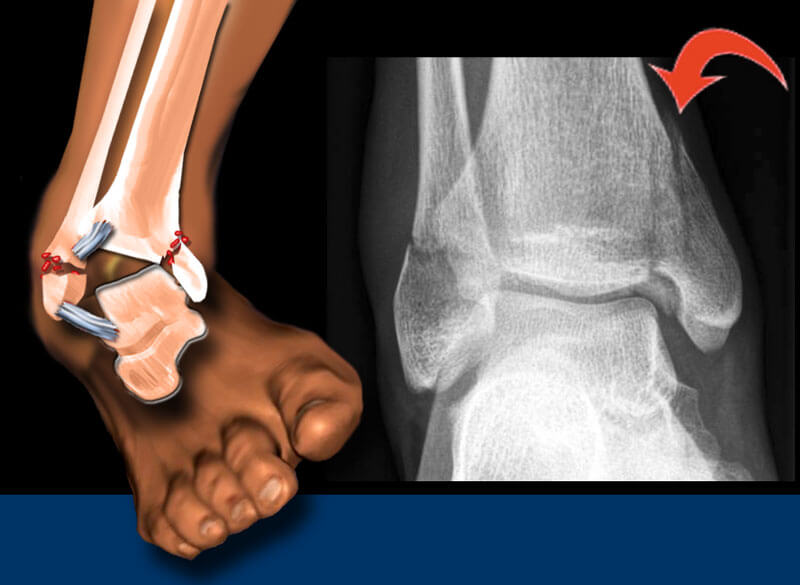 From Radiology Assistant
A broken ankle, also referred to as an ankle fracture, is typically a break in the distal fibula or tibia bone at the ankle joint, which are the bones located in the lower leg on the outside and inside respectively. Ankle fractures typically occur from falls that involve twisting of the foot, awkward landings, and contact sports injuries. Ankle fractures can range from being simple to complex, whether it be just an isolated medial or lateral malleolus fracture or an ankle dislocation with a bi/trimalleolar fracture. You can learn more about the type and severity of ankle fractures here
Have You Recently Fractured Your Ankle?
If you have recently fractured or injured your ankle, we have the perfect program to get you back to 100%!
How Do I know If I Broke My Ankle? Should I Get An X-Ray?
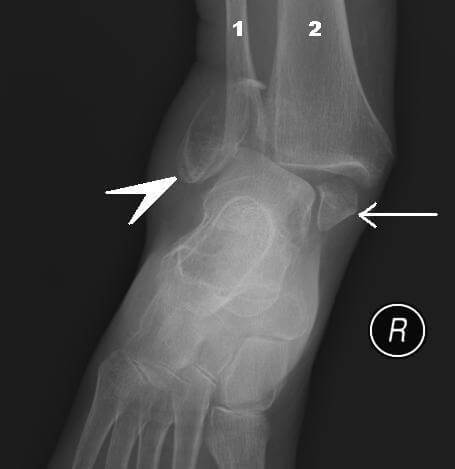
Maybe you stumbled upon this article because you just hurt your ankle and you're trying to decide if you should seek medical attention or not. Well, you've come to the right place! This is a really good question, so good that researchers decided to figure out who should and who shouldn't get x-rays to save the health care system some money. The Ottawa Ankle Rules concluded the following ankle x-ray screening questions...
- Can you take 4 steps (it is okay if you need to limp)? NO? –> GET AN X-RAY
- Do you have tenderness/pain around your medial or lateral malleoli (the little bone bumps on either side of your ankle)? Specifically the backside of the bones? YES? –> GET AN X-RAY
In regards to if you possibly have a bone fracture in your foot...
- Do you have tenderness/pain around the base of the 5th metatarsal (bump on the lateral/outside portion of your foot; halfway between your heel and your little toe)? YES? –> GET AN X-RAY
- Do you have tenderness/pain around the navicular bone (bump on the medial/inside portion of your foot?) YES> –> GET AN X-RAY
READ: DO I NEED AN X-RAY AFTER AN ANKLE SPRAIN?

So I Broke My Ankle, Now What?
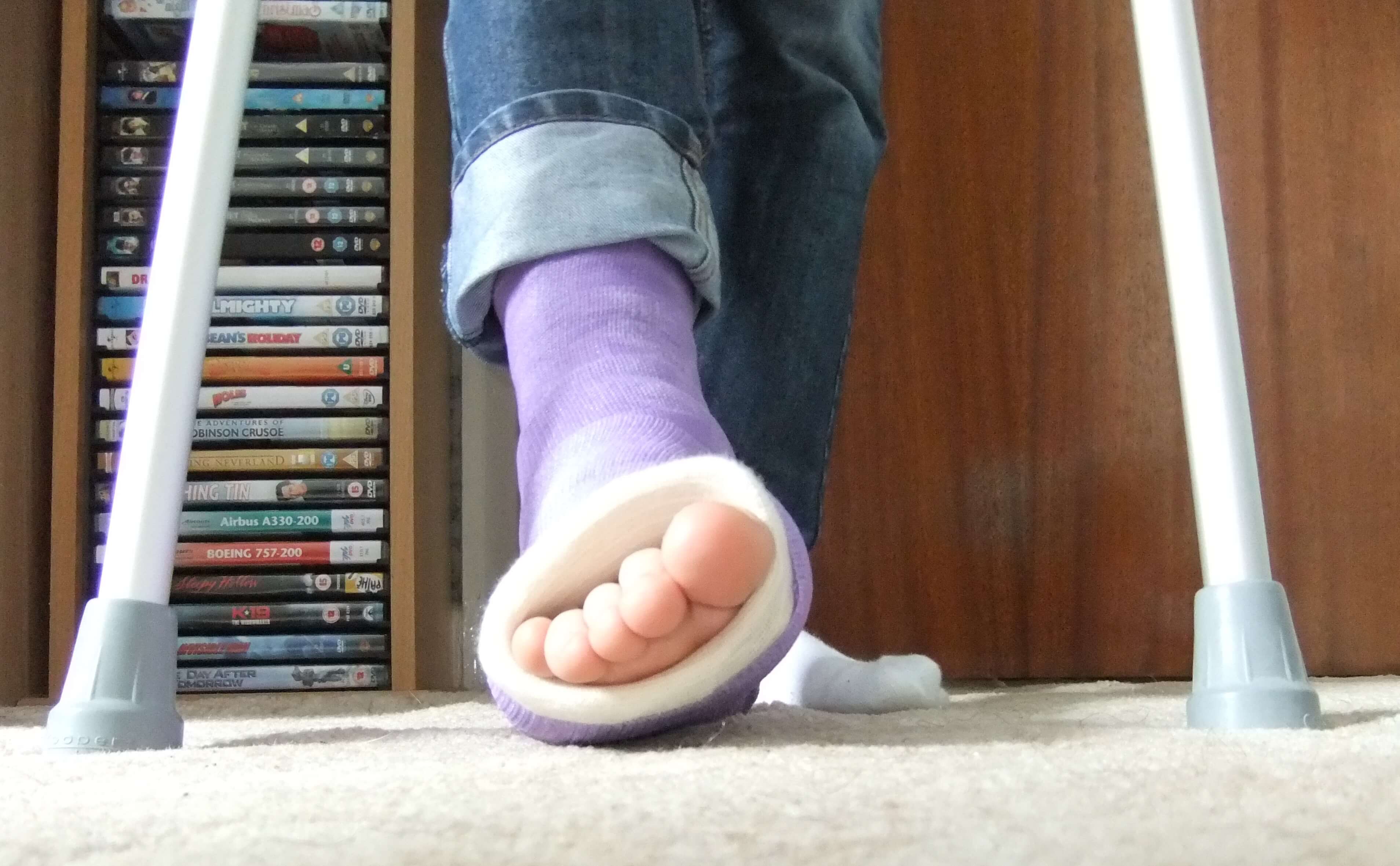
It sucks to be stuck in a cast for 4-6 weeks. However, that doesn't mean you have to be completely sedentary. Now we aren't saying you have to lift weights and use cardio equipment with only one leg, but don't just sit on your butt on the couch for a month! Technically you can still do upper body exercises and even train your other leg.
Moreover, our foot/ankle is influenced by our kinetic chain, meaning the joints, muscles, and body regions above it! We always preach that it is important to treat the entire body part, not sure the body part that was injured. Exercising on some proximal musculature and joints, including our knees and hips for example can help optimize post-operative outcomes!
Exercises After An Ankle Fracture: Stay Strong In A Boot!
The common concerns are that you will be lop-sided and create asymmetries/imbalances if you only train your other leg. That is false! If anything training your other leg can lead to something called the crossover effect, helping to maintain the size and strength of your other leg! This is a crucial part of what to do after an ankle fracture.
So I Got My Cast Off After My Ankle Fracture, Now What?
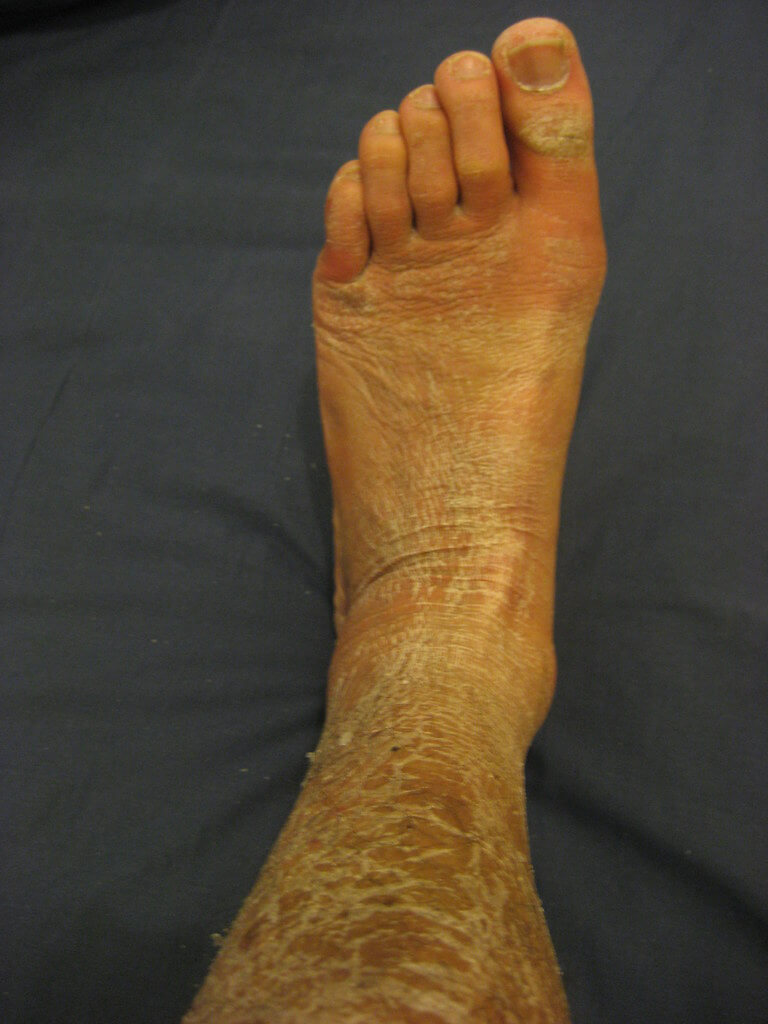
Getting your cast off can feel like the most glorious day ever. However, your calf and ankle may not be the prettiest sight, it may look extra skinny with dead skin. Even worse, your foot may be swollen and really STIFF. Don't fret, we are going to teach you how to get your ankle and foot moving again and use it as much as you can! In regards to your skin, take a well-earned bath/shower and use lotion to nourish the skin.
Swelling is inevitable. The ankle is a distal joint and is more prone to prolonged swelling. That is Ok! What is important is to combat that post-operative swelling with early mobility. The more that you are able to move the ankle once you are able after surgery, the more that you can promote overall circulation as well as blood flow back towards the heart. We discuss this below with a hallmark exercise of ankle pumps, preferably elevated.
You can also listen to our podcast with Taryn on living well with lymphedema, as she discusses everything about the lymphatic system, as well as how to maintain a healthy lymphatic system. This podcast is full of excellent information related to the lymph, as well as how swelling may occur, and what you can do to combat the negative effects of swelling!
LISTEN: MANAGING SWELLING WITH THE LYMPHATIC SYSTEM

What To Do After An Ankle Fracture: Range Of Motion Exercises
With your average non-complicated ankle fracture, a gentle introduction to range of motion exercises in every direction is exactly what your ankle wants and needs. Below you will find multiple videos to help get your ankle moving again, with great exercises after an ankle fracture!
Ankle Pumps

Sample Ankle Fracture Rehab Program Exercise
Ankle pumps are a great exercise to start immediately as previously discussed to reduce swelling as well as promote the early range of motion. Mike is using a plinth to elevate his leg in this video; however, at home you can use pillows underneath your foot to elevate it!
Ankle Alphabets

Sample Ankle Fracture Rehab Program Exercise
With this exercise, early on after the surgery, your full range of motion will not be what it used to be. Do NOT be discouraged! What is important is to avoid compensation early on. For instance, one big compensation we see is individuals will move their hip joint into the internal and external rotation when trying to perform active inversion and eversion of the foot/ankle complex. Really focus on JUST using your foot/ankle joints and avoiding compensatory movements up the chain. Do not fear, movement will come with time!
Learn How To Improve Ankle Mobility After A Fracture!
Calf Stretch With Strap

Sample Ankle Fracture Rehab Program Exercise
The calf complex normally becomes tight after being in a cast and boot for a long period of time.
Ankle Pull-Ups

Sample Ankle Fracture Rehab Program Exercise
Weight Shifts
Closing Thoughts
Some ankle fractures take longer than others to fully recover. It can take a really long time, even up to a year, for your ankle to feel back to 100% normal like it did prior to the injury if it was a complicated fracture. You can read about concepts of tissue healing HERE! This is especially true in regards to ankle mobility, strength, balance, and being able to support all of your weight through that foot and ankle in various positions. The bottom line is you have to be patient and remind yourself of how far you've come compared to day 1 of having your cast on. You can implement some of the concepts here when first starting to perform exercises after an ankle fracture. If you continue to have significant limitations and pain with your ankle, it may be in your best interest to seek help from a physical therapist. You can click here to learn more about what to expect in PT.
Have You Recently Fractured Your Ankle?
The foot & ankle is a truly unique design with 26 bones, 30 joints, over 100 muscles, tendons, ligaments, and over 7,000 different nerve endings! It's complex but in complexity, we go simple because simple works! In the Foot & Ankle Rehab program, you will spend time developing the habit of consistency each week. Along with consistency, the goal is to increase confidence and decrease uncertainty by mastering safe, effective movements. As you work through the program make sure to take advantage of the education, training support, and assessments videos.
References
- Bachmann LM, Kolb E, Koller MT, Steurer J, ter Riet G. Accuracy of Ottawa ankle rules to exclude fractures of the ankle and mid-foot: systematic review. BMJ. 2003;326:417
About The Author
Craig Lindell PT, DPT, CSCS
[P]rehab Co-Founder & Chief Content Officer
 Craig is a South Jersey native & Penn State Kinesiology Alumni. When the opportunity came, Craig packed his bags and drove to California to pursue his Doctorate in Physical Therapy from the University of Southern California. With [P]rehab, Craig oversees all digital content creation and multi-channel publication that reaches millions of people on a weekly basis. As a PT, Craig has a wide array of experience from working with various neurological conditions to working with collegiate & professional athletes across the Big Five in North American sports. Experiencing physical therapy first-hand as a soccer player in high school, Craig has a passion & special interest in adolescent athletic development working with young athletes to overcome injuries. In his spare time, Craig enjoys exercising, playing golfing, hiking, traveling, watching Philly sports, and spending quality time with his family.